Buying
How To Choose The Right Neighborhood For Your New Home
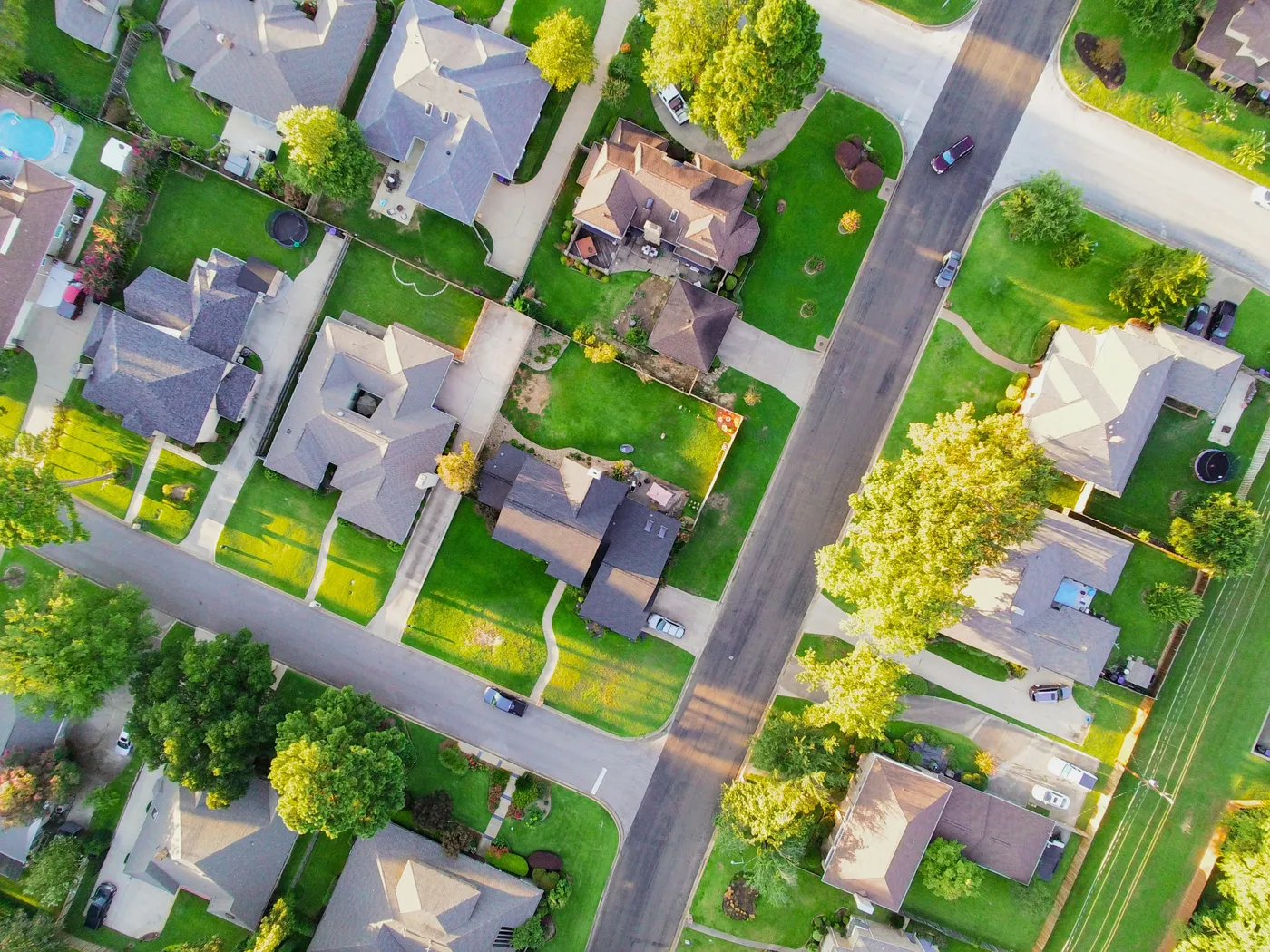
Buying a home is one of the most significant decisions you will ever make, and while it is easy to get swept up in the excitement of square footage, kitchen finishes, and bedroom counts, the neighborhood you choose matters just as much as the property itself. You can renovate a house, but you cannot renovate its surroundings. The right neighborhood will support your lifestyle, protect your investment, and give you a true sense of belonging. Here is how to approach that decision with clarity and confidence.
Know What Your Daily Life Actually Looks Like
The best neighborhood for someone else may be entirely wrong for you. Start by taking an honest look at your daily routines. How far are you willing to commute to work? Do you rely on public transport or drive everywhere? Do you need to be close to good schools, a gym, a park, or a particular community? Writing down the non-negotiables in your day-to-day life before you start browsing listings will help you filter out areas that look attractive on paper but would quietly frustrate you in practice.
Visit at Different Times of Day
A neighborhood can feel completely different at 10am on a Tuesday compared to 10pm on a Friday. Before committing to any area, visit it multiple times at different hours and on different days of the week. Walk the streets, sit in a local café, and pay attention to noise levels, traffic patterns, and the general atmosphere. What feels peaceful during a weekday morning stroll might be a very different experience on a weekend night. This simple exercise can reveal a great deal that no listing description ever will.
Research Safety and Crime Statistics
Feeling safe in your home and neighborhood is a fundamental need, not a luxury. Look up publicly available crime statistics for any area you are seriously considering, and pay attention to trends over time rather than isolated incidents. A neighborhood with improving safety figures can be a sign of positive change and potential value growth, while one with a worsening trend is worth approaching with caution. Talking to local residents is also one of the most honest ways to get a feel for how safe people actually feel living there day to day.
Assess the Quality of Local Schools
Even if you do not have children or have no plans to start a family, the quality of schools in an area has a direct and well-documented impact on property values. Homes in catchment zones for highly regarded schools tend to hold their value more strongly and attract a broader pool of buyers when the time comes to sell. Research school ratings and performance data for the areas you are considering, and treat it as part of your overall investment assessment regardless of your personal circumstances.
Look for Signs of Growth and Investment
Neighborhoods in transition can offer excellent value for buyers who get in early. Look for signs that an area is on an upward trajectory — new cafés and restaurants opening, renovation activity on nearby homes, new transport links being planned or built, or an influx of young professionals and families. Local council development plans are publicly available in most areas and can give you a clear picture of what is planned for the coming years. Buying in a neighborhood just before it peaks is one of the smartest moves a homebuyer can make.
Consider the Community and Culture
A home is not just four walls — it is the community that surrounds it. Think about the kind of environment where you genuinely thrive. Do you want a tight-knit neighborhood where you know your neighbors and local events bring people together? Or do you prefer a more anonymous urban setting where privacy is the norm? Neither is better than the other, but knowing which suits your personality will help you feel truly at home rather than merely housed. Attend a local market, check community noticeboards, or browse neighborhood social media groups to get a genuine sense of the people and culture.
Trust Your Instincts, But Back Them Up With Data
After all your research, there is still something to be said for how a place simply makes you feel. If you walk through a neighborhood and feel a genuine sense of excitement and ease, that emotional response is worth paying attention to. However, gut feeling should complement your research, not replace it. The ideal decision is one where the data supports what your instincts are already telling you. When both are pointing in the same direction, you can move forward with real confidence.
Choosing the right neighborhood takes time and intention, but the effort pays dividends for years to come. Take it seriously, do your homework, and remember that you are not just buying a property — you are choosing the backdrop for the next chapter of your life.